
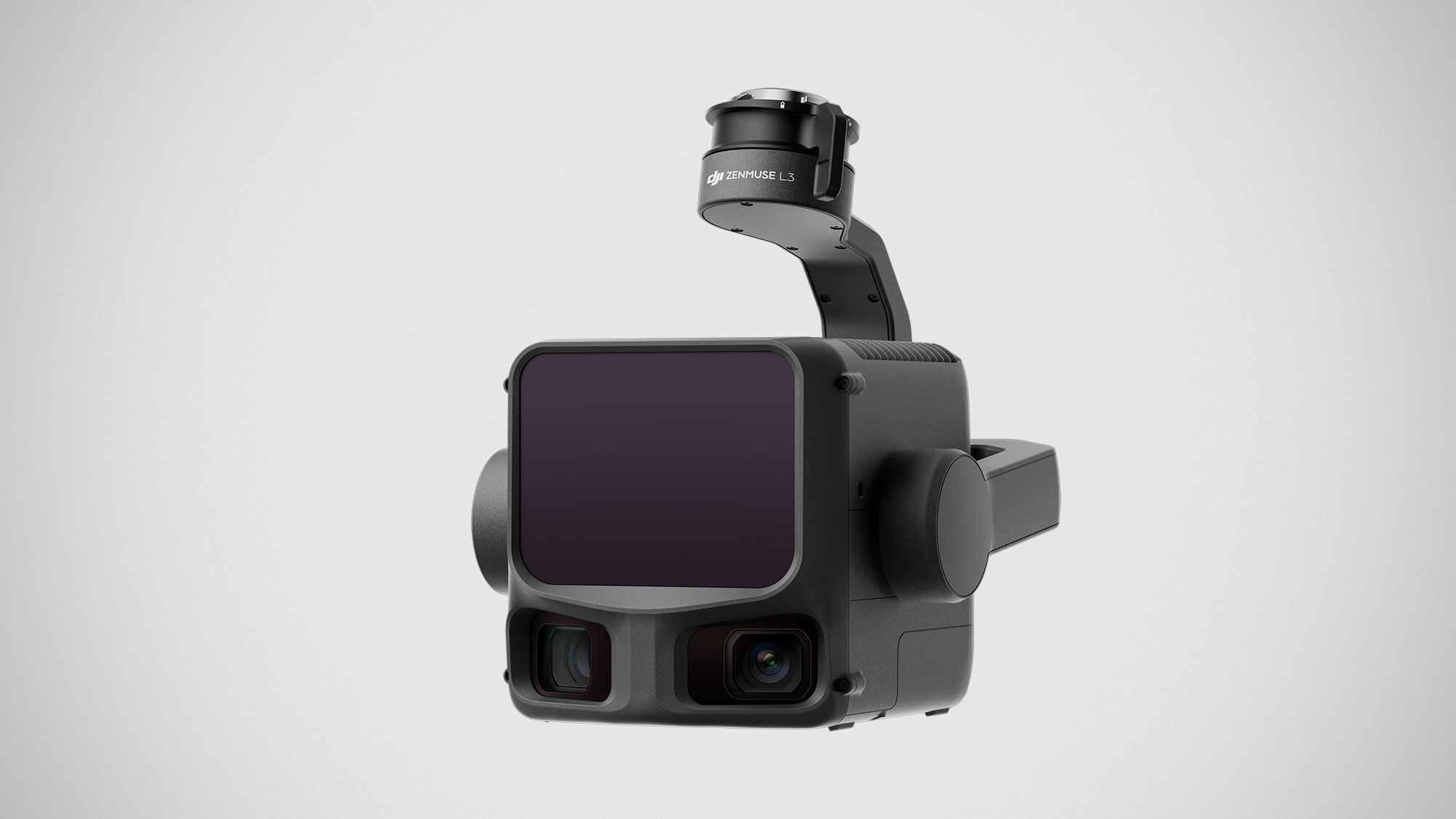
Lidar looks straightforward from the outside. The sales pitch is often simple: buy the sensor, fly the site, and map through vegetation. In reality, lidar systems have more moving parts than image-only drones, and those moving parts create more failure points.
Why lidar systems get heavy fast
A lidar workflow often combines an aircraft, a payload, an IMU, a GNSS system, a base station, sensor-specific software, and a processing chain that has to reconcile all of those data sources correctly. When those components come from different vendors, integration becomes part of the job.
That is one reason Aerotas source material consistently favors tightly integrated systems whenever possible. The more pieces a team has to assemble and troubleshoot, the more training and QA burden the organization takes on.
Processing complexity matters as much as flight complexity
The field crew is only the beginning. Lidar data still has to be trajectory-corrected, classified, checked against control, and translated into the actual deliverable. That work can be very powerful, but it is not trivial. A business that buys a lidar system without planning for the processing side usually underestimates the total cost of ownership.
Practical takeaway: if a lidar system requires specialist knowledge every time it leaves the case, it will be used less often. Lower usage destroys ROI even when the raw sensor performance looks excellent.
When the complexity is worth it
Lidar is worth the complexity when your project mix consistently needs it. Heavy vegetation, power corridors, and other sites where imagery alone is not enough are the clearest examples. But if those jobs are occasional, most teams are better served by keeping their standard workflow simple and adding lidar only when the business case is strong.